|
Welcome to Lifeguard Security Introduction to security and principles we try to adopt
We can provide a Free Quote depending on local work load.
Phone 02 6352 3333
Property Protection CCTV Personal Protection Systems Motor Vehicles Alarms and Monitoring Back to Base Wired and Wireless Security
Lifeguard Security is dedicated to excellent customer service. Delivery will be in a timely manner. Customer Service is Top Priority for us. We try to reduce costs for our customers. You may contact us safely, and if required can pay using PayPal. If you have anything specific or questions, feel free to Contact Us. Thank You for your interest in LifeguardSecurity.com.au. Master License Number: 000103073.
Spammers and Telemarketers Do Not Call
|
|||||||||||||||||
|
Alarms 24 hrs
Introduction
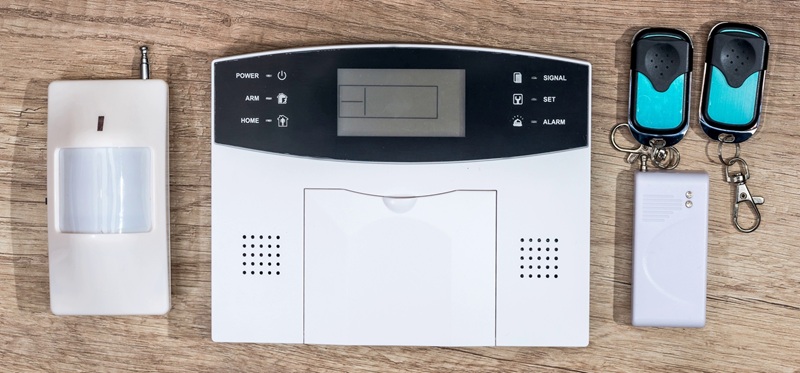
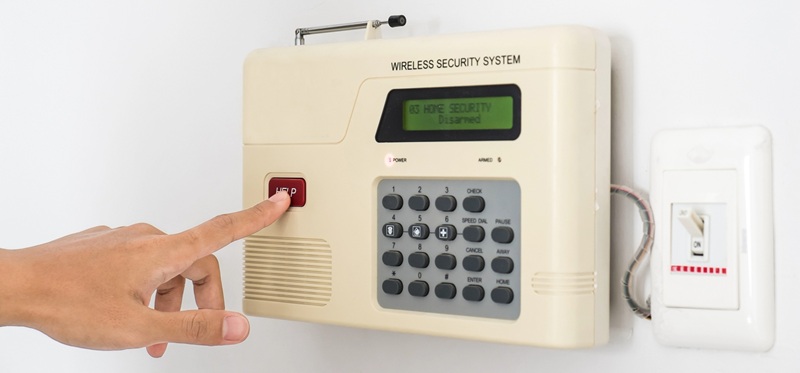
A burglar alarm system is an electronic security system designed to protect a property, its occupants and valuable possessions against unauthorised entry. One of the main advantages of a modern burglar alarm is that it can operate 24 hours a day, 7 days a week (24/7), providing continuous protection regardless of whether the property is occupied or vacant. Unlike traditional security measures that rely on people physically monitoring a property, burglar alarm systems use electronic sensors, control panels, communication technology and backup power supplies to monitor the premises continuously. A 24/7 burglar alarm system can detect suspicious activity, identify potential break-ins and alert property owners or a professional monitoring centre. This provides an ongoing level of security during the day, overnight, on weekends and during holidays. How a Burglar Alarm Operates 24/7 A burglar alarm operates continuously through several interconnected components that work together to detect and respond to potential security threats. Security sensors continuously monitor the property The system uses different types of sensors to monitor areas of the property, including:
These sensors remain active when the alarm system is armed. Depending on the system configuration, selected sensors can also provide continuous monitoring while people are inside the premises. The control panel processes information The control panel acts as the central operating unit of the burglar alarm system. It receives information from the connected sensors and determines whether an event requires an alarm response. For example, if a protected door is opened while the system is armed, the sensor sends a signal to the control panel. The control panel processes this information and activates the appropriate response. The control panel can also identify system faults, communication problems, low batteries and other technical issues. The alarm activates when an intrusion is detected If the system identifies a potential break-in, it can activate several security responses, including:
These responses help draw attention to the incident and allow appropriate action to be taken.
|
CCTV
Introduction
CCTV (Closed-Circuit Television) is a video surveillance system that uses cameras to monitor, record and transmit footage of activities in and around a property. It is commonly used in homes, businesses, warehouses, offices, shopping centres and industrial facilities. When CCTV is combined with an electronic security system, such as an alarm system, access control or motion detectors, it creates a more complete and effective security solution. A CCTV system generally consists of five main components:
Modern CCTV systems can also include features such as:
Advantages of combining CCTV with a security system This is where the real benefit comes in. CCTV and electronic security systems work together to provide better protection because one system can detect a security event while the other provides visual verification. Faster incident detection and response When an alarm sensor detects movement or an unauthorised entry, the CCTV system can automatically bring up the relevant camera footage. For example:
This helps security personnel respond more effectively. Visual verification of alarms One of the biggest advantages is the ability to visually verify an alarm. Without CCTV, an alarm system may indicate that a sensor has been activated, but it cannot always tell you why. With CCTV, security personnel can determine whether the event involves:
This helps reduce unnecessary security responses and false alarm callouts. Improved crime prevention Visible CCTV cameras act as a deterrent to potential offenders. When combined with alarms, access control and monitoring, it becomes harder for unauthorised people to enter and operate within a protected property without being detected. Better access control and accountability When CCTV is integrated with access control, you can visually monitor who enters and exits a building. For example:
This is particularly useful for restricted areas, server rooms, warehouses and commercial buildings. Evidence collection and investigations If an incident occurs, CCTV footage can help establish:
Access control logs and alarm records can also be compared against CCTV footage to build a clearer timeline of events. Remote monitoring Modern integrated systems allow authorised users to monitor their premises remotely. Using a computer or mobile phone, users may be able to:
Centralised security management Instead of operating several independent systems, integration allows CCTV, alarms and access control to work together through a central management platform. This improves situational awareness and makes security management more efficient.
|
||||||||||||||||
|
Monitoring
Introduction
A security system alarm monitoring centre is a central facility that monitors security alarms from homes, businesses, commercial buildings and industrial sites, 24 hours a day, 7 days a week. Its main purpose is to receive alarm signals, assess what has happened, and arrange an appropriate response to protect people, property and assets. Think of it as a control room that acts as the link between your security system and the people who can respond to an emergency. Alarm system detects an event Sensors installed at a property detect unusual activity or an emergency. Examples include: · Door or window opening. · Motion detected inside a building. · Smoke or fire detection. · Panic or duress button activation. · Glass-break detection. · System tampering or communication failure Alarm signal is transmitted The alarm control panel sends a signal to the monitoring centre through a communication connection, such as: · Internet/IP connection. · Mobile network (4G/5G). · Telephone line. · Radio communication. The signal typically identifies the premises, alarm type and the specific sensor or zone activated. Incident is recorded and closed The operator records the alarm event and actions taken. This creates an incident history, which can be used for: · Customer reporting. · Incident investigations. · Reviewing operator performance. · Identifying recurring security problems.
|
Detection with Passive Infrared
Introduction
Passive Infrared (PIR) detector is a sensor commonly used in security alarm systems to detect the movement of people within an area. It is called passive because it does not send out any signals or energy. Instead, it detects infrared radiation (heat) naturally emitted by objects, including the human body. Let's break down how it works and how it is used in a security alarm system. What is a PIR detector? A PIR detector is an electronic device that detects changes in infrared radiation within its detection area. All objects with a temperature above absolute zero emit infrared radiation. Humans emit infrared radiation because our body temperature is approximately 37°C. The PIR detector uses this principle to identify movement. The important thing to understand: A PIR detector does not actually see a person. It detects changes in the heat patterns within its field of view. Most security PIR detectors use a dual-element pyroelectric sensor. The two sensing elements are arranged so that they respond differently as a warm object moves across the detection zones. This helps the detector distinguish movement from general background temperature changes. Electronic processing circuit The electronic circuit:
Imagine a PIR detector mounted in the corner of a room. 1. Normal condition: The detector monitors the infrared radiation in the room. The background temperature is relatively stable. 2. Person enters the detection area: A person's body emits infrared radiation. 3. Movement across detection zones: As the person walks across the room, their body moves through the different detection zones created by the Fresnel lens. 4. Change in infrared radiation: The pyroelectric sensor detects changes in infrared radiation as the person moves between these zones. 5. Electrical signal generated: The sensor produces a small electrical signal. 6. Signal processing: The detector's electronic circuit amplifies and analyses the signal. 7. Detection output: If the signal meets the detector's detection criteria, the detector activates its alarm output. Important: A PIR detector generally detects movement rather than simply detecting someone's presence. A person sitting completely still may eventually stop triggering the detector. PIR detectors are commonly used as part of an intruder alarm system to detect unauthorised movement inside a building. A typical security alarm system consists of:
Here is a simplified sequence of operation: 1. The user enters a code into the keypad and arms the security alarm. 2. The alarm control panel monitors the PIR detectors. 3. An intruder enters the protected area. 4. The PIR detector detects movement. 5. The detector sends an electrical signal to the alarm control panel. 6. The control panel recognises that a detection has occurred. 7. The control panel activates the alarm siren. 8. Depending on the system, a notification may also be sent to a monitoring centre or the owner's mobile phone. What happens when a PIR detector is triggered? A typical PIR detector has a relay output that changes state when movement is detected.
|
||||||||||||||||
|
Wireless and Wired
Introduction
A wired burglar alarm and a wireless burglar alarm both do the same fundamental job: they detect unauthorised entry into a property and trigger an alarm or alert. The main difference is how the sensors communicate with the alarm control panel. Each has its own advantages, and the best choice depends on the property, installation requirements, budget and long-term expectations. 1. Wired burglar alarm system A wired alarm system uses physical electrical cables to connect the sensors (motion detectors, door contacts, glass-break detectors etc.) back to a central alarm control panel. When a sensor detects movement or an intrusion, it sends a signal through the cable to the control panel, which activates the siren or sends an alert to a monitoring centre. Benefits of a wired alarm
Disadvantages of a wired alarm
2. Wireless burglar alarm system A wireless alarm system uses radio signals to communicate between the sensors and the central alarm control panel. Instead of running cables between each detector and the panel, each sensor communicates wirelessly with the system. Most wireless sensors operate using batteries, which provide the power required to detect movement and transmit signals. Benefits of a wireless alarm
Disadvantages of a wireless alarm
What about security and reliability? This is probably the most important consideration. There is sometimes a misconception that wired alarms are automatically more secure than wireless alarms. In reality, both can provide excellent security when properly designed and installed. The important things to look for include:
Which system would we recommend? Wired alarm – best for permanent installations We would favour a wired system for new buildings, major renovations, large commercial properties and installations where reliability and minimising ongoing sensor maintenance are priorities. Wireless alarm – best for existing buildings We would favour wireless for established homes and commercial premises where running cables is difficult, expensive or disruptive. It is also excellent where flexibility and future expansion are important.
|
Feedback
Introduction
Good feedback is important for small businesses because it helps them understand what they are doing well, what they need to improve, and how they can keep their customers happy. Since small businesses often have fewer resources and a smaller customer base than larger businesses, every customer and every opinion can make a big difference. Here are 6 reasons why good feedback is needed by small businesses: 1. Improves products and services Feedback helps small businesses understand what customers like and dislike. This allows them to make changes to their products or services to better meet customer needs. 2. Keeps customers happy When businesses listen to feedback and act on it, customers feel valued and appreciated. This can lead to happier customers who are more likely to return. 3. Helps the business grow Positive feedback can show a business what it is doing well, while constructive feedback highlights areas that need improvement. Both can help the business become more successful. 4. Builds a good reputation Good customer reviews and recommendations can encourage new customers to try a small business. A positive reputation helps small businesses compete with larger companies. 5. Helps identify problems early Feedback can alert business owners to problems with customer service, product quality or pricing before they become bigger issues. 6. Helps the business stand out from competitors By listening to customers and making improvements, small businesses can offer a better experience than their competitors and build stronger relationships with customers. Overall Good feedback is needed by small businesses because it helps them improve, grow and understand their customers better. It allows business owners to make better decisions, build customer loyalty and create a successful business. In simple terms: Feedback helps small businesses learn from their customers, fix problems and continue providing products and services that people want.
|
||||||||||||||||
|
Price
Introduction
A small business should try to lower costs for customers because it makes products and services more affordable, attracts more customers and helps the business become more successful. How can a small business lower costs for customers? A small business can lower costs for customers in several ways:
Why is lowering costs good for a small business?
Example For example, a small local café could reduce its costs by buying coffee beans in bulk from a supplier. This could allow the café to reduce the price of its coffee while still making a profit. Customers may be more likely to visit regularly because they can enjoy good-quality coffee at an affordable price. Overall answer (for a business assignment) A small business should try to lower costs for customers because it makes products and services more affordable and accessible to a wider range of people. By reducing expenses and offering competitive prices, a business can attract new customers, increase sales and encourage existing customers to return. This also helps the business compete with larger companies and build a positive reputation. However, the business must make sure that lowering prices does not reduce the quality of its products or cause it to lose money.
|
Trust
Introduction
A small business can show customers that it is trustworthy by being transparent, reliable, professional and consistent. Trust is built when customers feel confident that the business will deliver what it promises. Here are some practical examples: · Show genuine customer reviews and testimonials
Example: Displaying a testimonial from a happy customer explaining why they would recommend your business. Be transparent about pricing
Example: Giving a customer a detailed quote outlining labour, materials and any additional costs. Have a professional online presence
Example: Showing photos of completed projects so potential customers can see the quality of your work. Demonstrate qualifications and experience
Example: A trades business displaying its licence number and relevant industry qualifications. Offer guarantees and clear policies
Example: Offering a 30-day return policy on eligible products. Communicate honestly and professionally
Example: Contacting a customer before a scheduled delivery to let them know there will be a delay and explaining how you will resolve it. Show real people behind the business
Example: Posting a short video introducing the business owner and explaining their experience and commitment to customer service. Demonstrate consistency and reliability
Example: Sending a follow-up email after completing a job to check that the customer is happy with the result.
|
||||||||||||||||
|
Service
Introduction
Good customer service is important because it helps a business build strong relationships with customers, improve its reputation and increase sales. It ensures customers feel valued, respected and satisfied with the products or services they receive. Benefits of good customer service 1. Increases customer satisfaction – Customers are more likely to be happy with their experience when staff are friendly, helpful and respond to their needs. 2. Builds customer loyalty – When customers receive good service, they are more likely to return to the business and continue purchasing its products or services. 3. Improves business reputation – Satisfied customers may recommend the business to friends and family or leave positive reviews, attracting new customers. 4. Increases sales and profits – Happy customers are more likely to make repeat purchases and recommend the business to others, helping increase revenue. 5. Creates a competitive advantage – Good customer service helps a business stand out from competitors and gives customers a reason to choose it over other businesses. 6. Reduces customer complaints – Listening to customers, solving problems and responding quickly can prevent small issues from becoming bigger problems. 7. Improves employee confidence and skills – Providing good customer service encourages employees to develop communication, teamwork and problem-solving skills. 8. Builds trust with customers – Treating customers honestly, fairly and respectfully helps create positive long-term relationships. Overall Good customer service benefits both the customer and the business. Customers feel valued and are more likely to return, while businesses benefit from increased loyalty, positive word of mouth, a stronger reputation and higher profits.
|
Fire
Introduction
A burglar alarm monitoring station can provide significant benefits during a fire emergency, even though its primary purpose is to monitor security systems and detect intrusions. By integrating fire detection and alarm systems into its monitoring services, the station can help protect lives, minimise property damage and ensure a faster emergency response. How a burglar alarm monitoring station can benefit during a fire Early fire detection
Faster emergency response
24/7 monitoring
Protection of property and assets
Monitoring when premises are unattended
Notification of responsible personnel
Integration with other safety systems
Example scenario Imagine a fire starts in a commercial warehouse at 2:00 am when nobody is present.
Without remote monitoring, the fire might not be discovered until a passer-by notices smoke or flames, potentially allowing it to spread and cause much greater damage. Conclusion A burglar alarm monitoring station can play an important role in fire protection by providing 24/7 monitoring, early notification, emergency communication and faster response coordination. When connected to a suitable fire detection system, it becomes an additional layer of protection for people, property and business operations. Important:
A burglar alarm monitoring station does not replace a compliant fire alarm system or the building's required fire safety measures. Its ability to monitor fire alarms and contact emergency services depends on its equipment, agreements, procedures and applicable Australian requirements.
|
||||||||||||||||
|
Ambulance
Introduction
A security system can be used to help organise an emergency response when an ambulance is needed. It can provide an additional layer of safety by allowing emergency services or security personnel to respond quickly and gain access to the premises. Here is how a security system can assist: 1. Emergency alert: If someone becomes seriously ill, is injured or requires urgent medical attention, a staff member or resident can activate an emergency button or panic alarm. 2. Notify security: The alarm alerts the security monitoring centre or on-site security staff that an emergency is occurring. 3. Call an ambulance: Security staff can contact 000 (in Australia) to request an ambulance and provide the location and details of the emergency. 4. Provide access: Security personnel can unlock gates, doors or access points to ensure paramedics can enter the premises quickly without delays. 5. Direct paramedics: Security staff can meet the ambulance at the entrance and escort paramedics to the person requiring assistance. 6. Assist with emergency procedures: Security staff can help maintain clear access for emergency services, manage crowds and ensure the area remains safe while medical assistance is provided. 7. Record the incident: The security system may record the time the alarm was activated, when assistance was requested and the actions taken for incident reporting. In summary: A security system helps ensure that when an ambulance is required, an emergency can be identified quickly, assistance can be organised, and paramedics can gain prompt access to the premises. It supports the emergency response process but does not replace calling 000 directly when urgent medical assistance is required.
|
Police
Introduction
A security burglar alarm can interface with the police through a process called alarm monitoring and alarm response. The alarm system detects a possible break-in, communicates the event to a monitoring centre, and the monitoring centre follows an agreed procedure to determine whether police assistance is required. There are several ways this can work, depending on the alarm equipment, monitoring service and local police requirements. 1. How the system works 2. The main methods of interfacing with police A. Through a professional alarm monitoring centre This is the most common arrangement for commercial premises, warehouses, offices and other monitored properties.
The monitoring centre may also contact nominated keyholders or security guards to attend the premises. B. Direct connection to a police-approved alarm reporting service In some jurisdictions, alarm systems can report through arrangements recognised by police. However, this does not normally mean that a burglar alarm is simply connected to a police station telephone line. Police generally require alarms to be reported through approved procedures, accredited monitoring providers or designated communications channels. C. Video-verified alarms Modern alarm systems can incorporate CCTV cameras or video analytics. For example: 1. A motion detector activates. 2. The alarm system sends the event to the monitoring centre. 3. The operator receives associated video footage or images. 4. The operator assesses whether there is evidence of an actual intrusion. 5. The operator provides the relevant information to police. Video verification can help distinguish genuine intrusions from false alarms. 3. Communication technologies The alarm panel needs a communications device to send alarm events externally. A professionally monitored system will generally have backup communication arrangements and monitoring for communication failures. 4. What information gets sent? An alarm transmission can contain information such as:
The monitoring centre uses this information to determine the appropriate response. 5. Important: Police do not automatically attend every alarm In Australia, police use alarm classification and verification procedures to reduce unnecessary callouts. The National Police Alarm Activation Response Guideline establishes categories of alarms and criteria for police response. For example:
Accredited alarm monitoring providers have an important role in meeting the requirements for police notification. 6. Specific considerations in New South Wales NSW Police distinguishes between a monitoring centre and an onsite security control room. A monitoring centre operator generally requires a Class 1E security operative licence. Monitoring centres handle alarm activations and coordinate responses. There is also a financial consideration: NSW legislation provides for charges for repeat false security alarms at non-residential buildings when police attend more than once within 28 days. What equipment would be required?
Example: Commercial warehouse Imagine a warehouse with an alarm system monitored 24 hours a day. At 2:00 am:
This is the practical way a commercial burglar alarm can interface with police. One important distinction There are two different things that are sometimes confused:
The second is not simply achieved by connecting a burglar alarm panel to the internet or installing a SIM card.
|
||||||||||||||||